By Dr. Chris Cormier, DC
I bought my first red light device around 2007. For most of the decade that followed, telling colleagues what I was doing with it produced a particular kind of silence — the polite one people use when they have decided you have gone slightly odd.
Those same people now message me asking which panel they should buy.
It would be easy to write that up as a vindication story, and plenty of practitioners in my position would. I want to do something more useful with it, because the interesting question is not whether I was right about light. It is what being right about one thing early does and does not entitle me to claim about everything else.
What Being Early Actually Looked Like
Less visionary than it sounds, in truth.
When we acquired our full-body unit it was the twelfth in the world, which sounds impressive until you remember what that number actually means: almost nobody wanted one. There was no community to ask, no protocol anyone agreed on, and the device sat in a room that I had to explain to every patient who walked past it.
I was not predicting the future. I was reading research that already existed. Light-tissue interaction had been studied since the sixties, and the mechanism had been described long before anyone put it in a consumer catalogue. What had not happened was clinical adoption — and the gap between “there is a literature on this” and “practitioners are using it” is where most of my career has been spent.
That distinction matters for how much credit the story is worth. I did not intuit something nobody knew. I took seriously something that was published and unfashionable.
Why This One Held Up
Red and near-infrared light are absorbed by an enzyme at the end of the mitochondrial energy chain — cytochrome c oxidase — and when that happens the cell produces energy more efficiently. That is photobiomodulation, and the mechanism was described before the marketing arrived rather than invented to justify it.
Which is, I think, the actual lesson. The things I have backed that held up were the ones with a plausible mechanism described in advance and a reason the effect should exist. The things I have been enthusiastic about that quietly faded were the ones where the explanation arrived after the product.
I have had both. Anyone in this field for thirty years who tells you otherwise is editing.
The Trap I Am Trying to Avoid
Here is the uncomfortable part, and the reason I am writing this rather than a victory lap.
Being early on one thing is the most dangerous credential in alternative medicine. It teaches you that the mainstream is slow, that your instincts run ahead of the evidence, and that the people doubting you will come round eventually. Hold that lesson for twenty years and it stops being a lesson and becomes a licence — and you end up defending every hunch with the same confidence you earned on the one you got right.
I watch practitioners do this constantly. One genuine insight, then thirty years of treating every subsequent idea as though it carries the same weight.
So when someone asks whether red light therapy is worth it on the strength of my experience, the honest answer includes a warning about how much weight to give my experience at all.
How I Would Grade My Own Positions
If you are going to take advice from me, you should know which of my views rest on what. Here is my own sorting, and I would apply the same test to anyone else you read.
Reasonably well supported
That red and near-infrared light affect mitochondrial function. That it helps with wound healing, skin quality, temporary musculoskeletal pain and exercise recovery. That the dose matters enormously and that more is not better. These have a literature behind them and I would defend them in a room full of sceptics.
Clinical experience, which is weaker evidence than it feels
That mapping where the nervous system is underpowered before applying light produces better results than light alone. That stacking light with oxygen-based work helps more than either separately. That most people are functionally short of light exposure.
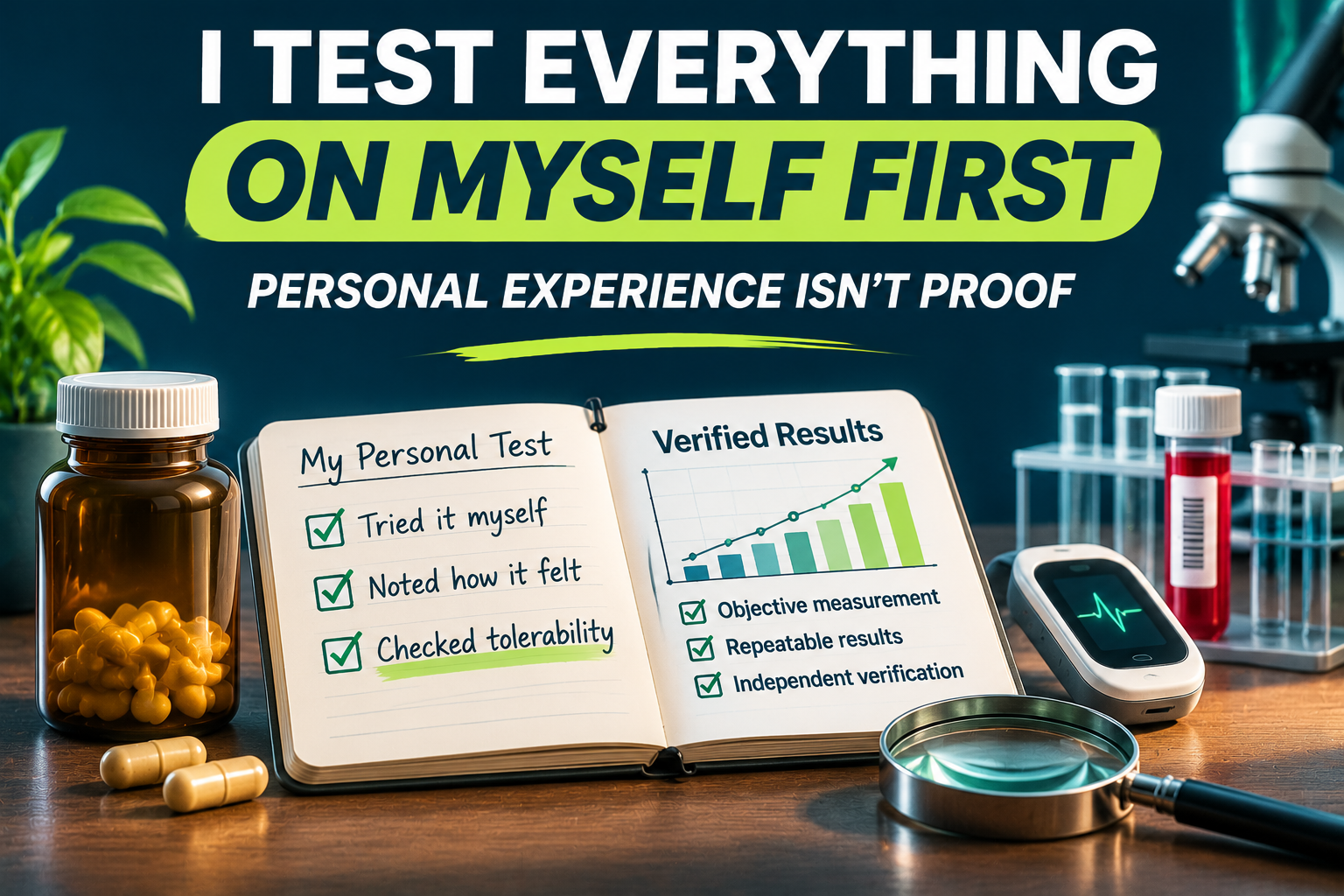
I believe all three. I have watched them play out in practice for two decades. But clinical experience is exactly the kind of evidence that feels strongest and proves least — you remember the cases that worked, you see people who already chose to come to you, and nobody is running a control group in the next room. My working models for conditions like rheumatoid arthritis and multiple sclerosis sit in this category too, and I label them that way on those pages as well.
Where my framework does not reach
Anything involving disease prevention or treatment. Light does not treat disease, and I have written separately about why my whole cellular-health framework is not the answer to colorectal cancer prevention — a screening test is. Knowing where a framework stops is the only thing that makes it trustworthy inside its range.
The Thing I Got Right That the Industry Got Wrong
Dose.
Photobiomodulation follows a biphasic dose response — too little does nothing, the right amount works, and beyond a certain point the benefit flattens and can reverse. I have been saying this since long before there was a market, and the market has comprehensively ignored it.
Walk through any wellness expo and the pitch is more diodes, more power, longer sessions. That is the opposite of what the research supports, and it is the single most common reason someone spends real money on a device and feels nothing.
I use our TheraLight 360 at least once a week. Not daily. There is a longer explanation of how we use it at the clinic in the full body red light therapy article.
When People Ask Me Which Panel to Buy
I tell them to buy one, which surprises people who expect me to sell them sessions instead.
A decent home panel used three or four times a week beats an excellent clinic bed used occasionally, because dose accumulates and consistency is the whole game. The practical advice is short: buy on irradiance stated at a specific distance, use it at that distance, keep sessions shorter than instinct suggests, and ignore total diode wattage entirely because it is a marketing number. The longer version is on BodyChargers.
What a panel cannot do is tell you where your system is actually running low, which is the part I think is worth coming in for. And if you are already doing oxygen-based work, the question of how the two relate is covered at ebooprime.com — including the fact that nobody has studied the combination properly.
What I Will Not Claim
Red light therapy does not treat or cure disease. Devices with FDA clearance are cleared for narrow indications such as temporary minor pain relief or wrinkle reduction. Clearance is not approval, and if you have a diagnosed condition the physician managing it leads.
It does not replace sunlight, sleep or movement. Morning daylight does something for your circadian rhythm that no device reproduces, and no amount of light compensates for chronically bad sleep. I would rather you fixed those and skipped the panel than the reverse.
And it does not work for everyone. Some people notice a clear difference within weeks. Some notice nothing at all. After twenty years I still cannot predict which, and anyone who says they can is guessing in a confident voice.
So — Is It Worth It?
For most people, with a decent device used properly, I think yes. That is a twenty-year opinion and it is held sincerely.
But notice what I just did there, and hold me to it. I gave you an opinion, told you what kind of evidence sits behind it, and marked where it stops. That is the most any practitioner can honestly offer you, and the ones who skip the last two steps are the ones to be careful with — including when the one skipping them is me.
Start with sleep and daylight. Then buy the panel. Then, if you want to know where your own system is actually running short, come and have it measured.
— Dr. Chris Cormier, DC
More about my background on the about page, and the full interview series is on the podcast.
Frequently Asked Questions
Is red light therapy worth it, or is it hype?
Both, in different proportions depending on what is being claimed. The mechanism is real and the evidence is decent for skin healing, temporary musculoskeletal pain and exercise recovery. The evidence is much thinner for the systemic and cognitive claims that dominate the marketing. Buy on the first list, not the second.
Why should I trust someone selling the therapy?
You should not, entirely, and that is the point of this article. What you can do is ask any practitioner to separate what has published support from what is their clinical experience, and to tell you where their framework stops. I have tried to do all three here. Apply the same test to anyone else.
What is the most common mistake people make?
Dose. Photobiomodulation has a biphasic response, so longer and more frequent is not better past a point. People buy a panel, use it for an hour because it feels thorough, get nothing, and conclude the therapy does not work. Shorter sessions at the manufacturer’s stated distance, several times a week.
Home device or clinic sessions?
Buy a decent home device — consistency beats intensity and dose accumulates. A clinic adds whole-body coverage in a single short session and, more importantly, an assessment of where your nervous system is actually running low, which no panel can tell you.
Are there people who should not use it?
Yes. Photosensitising medications are the most commonly missed issue, and photosensitivity conditions, pregnancy, seizure disorders and any suspicious skin lesion all need a conversation with your doctor first. Eye protection always. “Generally safe” is not “safe for everyone”.
Does it treat medical conditions?
No, and I will not say otherwise. It supports cellular function. If you are being treated for something, that treatment and the physician running it come first, and nothing here is a reason to change either.
Want to Go Deeper?
Start with the at-home guide, or book a full functional assessment at the clinic.
Get in Touch → drchriscormier.com/contact/
Explore BodyChargers → bodycharger.com
Visit the Clinic → nervehealth.com/get-treatment/